Benefits Of RV parks Business

Investing In RV Parks Reviews
Recreational vehicles (RVs) have made cross-country travel affordable and fun for millions of families over the decades. In the past, RVers were often retirees and summer vacationers. But a growing number of Americans have embraced RVing as a daily lifestyle, often living in RVs for months or years at a time. As RVing becomes more popular, RV park investments are becoming increasingly profitable investments – often with returns as high as 10-20%.

Whether visiting natural wonders like lakes, rivers, and mountains, or en route to another destination, vacationers enjoy the convenience of RV parks. In this post, we look at the nuts and bolts of RV park investing. The advantages of investing and the pitfalls you may encounter along the way.
RV park investment
Even if you don’t own an RV, investing in an RV park can be a profitable financial decision. As more Americans buy RVs than ever before, RV parks will only continue to see reservations and profits increase in the coming years.
Still not convinced? Here are three reasons why you should invest in an RV park:
RV sales hit record highs in 2020, amid coronavirus pandemic. Estimates show this number increasing in 2021. Certainly, some of these RV owners will return to a traditional work environment once a vaccine becomes widely available. However, most will continue to take family vacations in their RVs. Some even say they’re considering moving into their RV full-time because of a job loss, economic situation, or to experience more of the world. If the coronavirus has taught us anything, it’s that working remotely is possible, and many new RV owners are learning to work on the go. Campground industry giant Campgrounds of America (KOA) reports that RV parks across the country are seeing record numbers of new campers. Their Fall 2020 report shows that at least 18% of first-time RV owners plan to continue camping in 2021 and beyond.
RV parks historically have excellent return on investment rates. (More on this topic below).
RV parks have much less infrastructure and maintenance compared to other types of investments.
RV Park Return on Investment (ROI)
RV Park Return on Investment
In general, RV parks offer a higher ROI than other types of commercial property. According to most sources, you can expect a 10% to 20% return on your initial RV park investment. As a result, investors hoping to maximize their investment dollars should consider RV park investing a profitable option.
One way to ensure a high ROI is to find RV parks that already have amenities. Modern RVers expect amenities like swimming pools, sports facilities, Wi-Fi, fitness centers and dog parks. Be sure to look for properties with existing infrastructure in good condition (water, electricity, etc.). This way, you won’t have to spend money up front to develop or improve the infrastructure of the RV park. Eliminating unnecessary expenses will further increase the RV park’s return on investment. Also, as is the case with any investment, be sure to visit the property in person before committing.
Additionally, hiring a commercial real estate brokerage team that is experienced in RV park investing will ensure that you find the right property for your portfolio. The expert brokers here at CXRE can help you identify RV parks for sale in your target market and will work hard to get you the best deal.
RV Park Capitalization Rate (Cap Rate)
One way to know if an RV park investment is worth your time and money is to calculate your capitalization rate, or cap rate. In general, this simple formula indicates the value of the property. Specifically, it’s the percentage of annual return (aka ROI or return on investment) that you can get from a cash purchase of an RV park.
The cap rate formula is as follows:
Capitalization Rate = Net Operating Income (NOI) / Current Market Value
However, before you can calculate the RV park capitalization rate, you need to know the RV park’s NOI (net operating income). If you’re not familiar with NOI, it’s the amount of money a commercial property owner has left over from the RV park’s gross revenue after paying operating expenses. Operating expenses include taxes, insurance, and maintenance costs.
Operating expenses are expressed by the formula:
NOI = Gross Income – Operating Expenses
Once you learn the RV park’s NOI, you can calculate the RV park capitalization rate. And the cap rate will give you an idea of the value of the property.
To make this formula more concrete, imagine you buy an RV park for $1 million. When customers stay at your RV park, they pay rent, also known as your gross revenue. However, it costs money to maintain the property, which is your operating expenses. Operating expenses are paid from general revenue funds. Your NOI remains after expenses.
For simplicity’s sake, let’s say your annual NOI is $100,000. We can then plug this number into the cap rate formula:
$100,000 / $1,000,000 = 0.10 (10%)
According to this example, the cap rate for this RV park would be 10%. Basically, your NOI will cover one-tenth of the total value of the property.
Of course, calculating your potential cap rate is an easy and helpful way to estimate the potential ROI of an RV park over a cash purchase. However, be aware that the cap rate is only a rough calculation. Additional research and due diligence is necessary before purchasing an RV park.
Record-breaking RV sales during pandemic
Like all travel industries, RV manufacturers and sellers have seen their business boom over the decades. Traditionally, sales decline when the economy suffers. However, 2020 has been anything but conventional.
Even amid high unemployment and an economic crisis, RV manufacturers and sellers saw record-shattering sales throughout the year.
RV dealers report that RVs are selling as fast as they come from manufacturers, all thanks to the global pandemic. With many travelers itching to hit the road – but worried about hotels and other crowded places – traveling in an RV became increasingly attractive to many families.
As a result, nationwide RV sales reached 39,000 units in August alone, up 17.3 percent from last August. Those numbers are expected to increase in 2021, which will likely become the single best year for RV sales in history.

Of course, RV dealers aren’t the only ones benefiting from the dramatic increase in sales. RV park owners and investors are also seeing an increase in the number of customers. Campers are already booking RV parks well into 2021, with some places seeing a 500% increase in reservations. Covid-19 seems to have rekindled the desire to travel, live and work on four wheels.
3 Ways to Get Online Reviews for Your RV Park
That said, choosing to invest in an RV park is just the beginning. You will need to market your park, accommodate your customers, and ensure the grounds that separate your park are maintained. If you’ve done a great job, you may have had a successful spring and summer. But how do you maintain that momentum?
As far as investing in real estate is concerned, the decision to invest in an RV park can prove to be the right one. After all, RIVA estimates there are more than 30 million RV enthusiasts nationwide—and most of them need a place to park and camp. So if you’ve explored all available RV parks and campgrounds for sale before settling on the ideal park, you’ve taken an important step toward success.
One of the ways to ensure campers come back – and that they encourage others to book their stay – is to make sure their visit exceeds their expectations. If you’re not actively seeking feedback, you may never know why repeat customers seem so rare.
In the digital age, one of the best ways to gauge your growth and the perception of your brand is to analyze your online reviews. But if you’ve just decided to invest in an RV park, you may not have many reviews available. This can be more of a problem than you realize, because you don’t know how to solve the problem. Let’s take a closer look at why RV park reviews matter and what you can do to get more reviews for your RV park.
Why do online reviews matter for RV parks?
For virtually any type of business, online reviews play an important role. Although word of mouth is still important, the majority of consumers trust online reviews more than paid advertising. Moreover, consumers rely on online reviews as much (or even more) than personal recommendations. And while most consumers want to support businesses with reviews between three and five stars, no reviews or too few reviews can often be worse than a bad review. If you don’t have any online reviews for your campground or RV park, potential customers will be hesitant to book their stay. Anything you can do to prove your legitimacy and demonstrate a positive customer experience will go a long way in cementing your success.
How to Encourage Your RV Park Reviews
If you’ve taken the time to invest in an RV park, you’ll also want to take the time to encourage customer reviews. The good news is that most users will be happy to leave a review if you ask them to. Here are just a few ideas to remind your RV park residents to help you out in this way.
Use physical signs: Physical signs and other marketing materials may be necessary for your RV park. If you have a central office or message boards around the site, these areas offer a great opportunity for you to remind customers to leave a review. Adding visual reminders can help your customers prioritize their desire to review online.
Add a website link: You’ll need a strong website for your RV park that offers online booking. Why not include a link on your site that takes users to your Facebook page, Google My Business page, or Yelp profile? If you make it easy for customers to review your business, you’ll be more likely to get five stars.
Send follow-up emails: While you don’t want to bombard customers with too many emails after their stay, sending a thank you email after their visit can be extremely effective. Not only will this show them you care, but it’s also a great time to ask for a review. If their experience was great, they’ll want to tell everyone – and if you timed it right, their stay will be fresh in their memories.
Pros and Cons of Buying a Private RV Lot
Snowbirds and seasonal RV travelers may find themselves returning to the same areas over time. Some prefer sandy beaches and sunny weather, while others enjoy beautiful forested areas where they can find some peace and quiet. Wherever you want to go, you want to make sure there’s a good RV lot available.
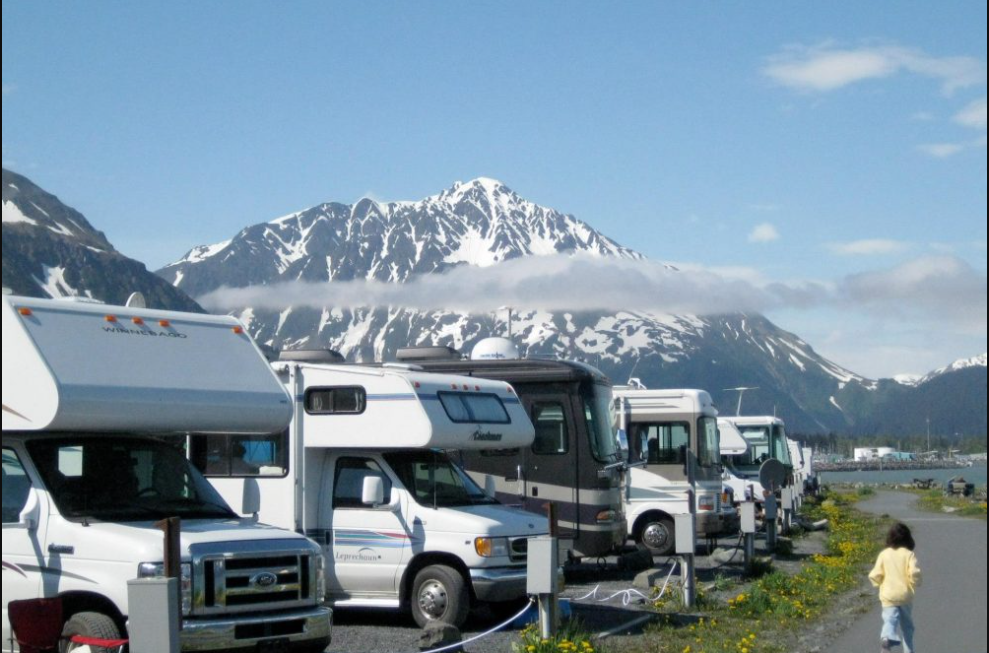
Popular campgrounds and RV parks fill up quickly, especially during heavy travel seasons. When your favorite park is full, you may have to compromise and find a new area. If you don’t want to deal with the hassle of securing a campsite, you can consider purchasing a private lot. These lots are available for sale at many RV parks, and they give owners a lot of control and stability.
However, they are also quite expensive. You are after all buying land in a popular area, so it doesn’t come cheap. To make sure you make the best choice, you should really weigh the pros and cons before spending any money on a site.
Pros of a private RV lots
Choose your favorite location.
Most people buy private RV lots because they love the area and want to establish a more permanent base. While not every park and campsite has private lots available, you should be able to find one that is within a reasonable distance of your favorite travel destinations.
No storage problems.
One of the biggest pain points of owning an RV is storage. These vehicles are very large, heavy and expensive to store. If you don’t use it year-round, you have to pay for storage and maintenance, which is a pain in the neck.
But if you have a lot, you can just park the RV and set it up for a long time. As long as you have access to hookups, electricity, and water, you can turn it into a great mobile vacation home.
Year round access to facilities
Almost every RV park comes with some onsite amenities. This can include things like swimming pools, game rooms, local restaurants, clubhouses, golf courses, etc. They’re definitely fun to enjoy when you’re on a quick trip, but you can enjoy them for longer when you’re on a permanent private lot.
You don’t have to feel rushed to enjoy it either! Just relax and enjoy everything the park has to offer.
Room for customization
Private lots are owned by those who purchase them. While you still have to follow some park and community rules, you’ll have a lot more freedom when it comes to customizing and designing your RV lot. You may want to include things like outdoor pet areas, small gardens, carports, swings, etc. You have the opportunity to spread out and enjoy the space.
Sometimes available for rent.
If you get tired from time to time, some parks allow you to rent out space to others while you’re away. It depends on the park’s rules and regulations, so make sure you know the rules before doing it. However, if it’s an option, you can take a break from your usual place and make a little extra money!
Save money over time.
While this purchase may be a bit expensive, buying an RV lot is actually quite affordable when you look at the amount of money you save. You’ll spend less on gas and storage. It’s also cheaper to buy a lot than to rent it for months. If you use it enough, it will pay for itself in time.
Cons of private RV lots
Private lots may not be available in your area.
In some cases, you may not be able to find a private lot at your favorite park or campground. Many places do not offer this as an option (except for camp hosts). If you are looking at areas that are very popular, you may not even be able to afford private lots.
Year-round park regulations and HOAs
Every campsite and RV park needs to have certain rules. It keeps everything organized, clean and safe. However, some parks are stricter than others, and the rules can get pretty annoying after a while.
Some private RV lot communities also have HOASs, which is another issue. They usually have very strict rules as well as recurring membership fees. When it comes to fees, rules and regulations, you can give more than that.
Make sure you check out the community and potential bugs before you buy!
Tax
Taxes are another issue that can come back to bite you. If you own property, even if it’s just a small RV lot, you’ll usually need to pay taxes on it. If you own a lot in a particularly high-priced area, you may pay more than in your home state. When land is at a premium, it qualifies for premium property tax.
If you buy a lot in an area with no income tax, it may be cheaper to declare residence there. Weigh the pros and cons of taxing your chosen area.
Stuck in one place.
Once you buy a lot, it’s yours. To get full value for your money, you’ll need to spend a lot of time in this one area. This can be a good thing, but it can also be a drawback if you find a place you like better. Private lots can be sold or given to others, but you don’t want to sell it for less than you bought it for.
There is always the risk that you could lose your investment, so most people will just stick with one place and exit when they get tired of it.
Constantly changing community
Finally, RV parks are generally not permanent communities. Your neighbors will come and go with the seasons, and you’ll have to deal with crowds of campers and tourists during busy seasons. When you stay in a vacation destination, many changes are going to happen.
This aspect can make things difficult for campers who enjoy making long-term friends and building relationships with their neighbors.
One of the benefits of owning a motorhome is the ability to escape the elements. But securing a site in the desired climate can be difficult, as any snowbird can attest. This is one of the reasons why many campers are choosing to buy their own little piece of paradise.
Bluewater RV Resort in Florida
It’s all about location. Waterfront lots with private docks are among the most desirable — and most expensive — at Bluewater’s RV resort in Florida.
“Most of our owners come in as renters first,” explains Carl Schauble, board member of Bluewater’s Property Owners Association. “They buy because they want to keep coming back.”
That was true for Clay and Patty Griffin from North Carolina, who stayed for 10 days and fell in love with the five-star resort. But when he went to book next year, all the places were full.
“I said, ‘How can I get in?’ And they said, ‘Buy a lot,’ so we did,” says Clay.
Owning one certainly takes the annual stress out of finding a campsite, but is it a smart move? The answer may surprise you.
Why buy?
Buying a dead lot makes good financial sense if you camp in the same area for several months each year. With average season sites in popular locations costing between $2,000 and $3,800 per month, the cost of renting over time can equal or exceed the cost of purchasing the same lot. And, according to the owners we spoke with, you can even improve your bottom line by renting out your site when you’re not there.
Even more encouraging, RV lots have appreciated in value and proven to meet and even exceed the growth of stocks or traditional home purchases, averaging a 15 percent return on investment.
Tiki Hut at Bluewater Key RV Resort
Carl and Sue Schauble’s tiki hut, complete with full kitchen, is a prime example of the possibilities when customizing your own RV lot.
Money is not the only reason to buy. Convenience and community are other factors to consider. A dead lot not only provides a guaranteed site for your motorhome, but most resorts also allow structures for permanent storage of larger items such as grills, lawn furniture and recreational equipment, so you Instead of packing and repacking all the toys, they will be there. . Awaiting you upon your arrival. Depending on the park, owners can go even further. Take the Griffins’ tiki hut, which includes a full-size refrigerator, wood cabinetry, comfortable L-shaped seating, a full entertainment center, and even an outdoor shower. “It has all the comforts of a second home,” says Patti, who jokes, “When we’re here, we really only go to the RV to sleep!”
Cypress Trail RV Resort in Fort Myers, Florida
Deeded RV lots at Cypress Trail RV Resort in Fort Myers, Florida, start at $74,500.
which park?
As wonderful as owning a resort can be, not all resorts — like all motorhomes — are created equal. Finding the right park, just like finding the right motorhome, means doing your homework. Before signing on the dotted line, there are several factors to consider.
1. Location
As with any real estate purchase, where your dead lot is located is the most important factor in its value. When Larry Jones, another Blue Water Key owner, first visited the park decades ago, his father was renting a campsite. The “resort” had just opened, and the lots were nothing but bare coral, selling for $60,000 each.
“It was a time when you could buy a house for $40,000. He thought the price was outrageous,” laughed Larry. “Now I wish he’d bought 10 of them.”
No wonder – one of these lots sold for just $1.5 million. Although this type of definition is not common, this resort had all the elements of a prime location: year-round use; waterfront and water access; Proximity to tourist attractions, shopping, dining and entertainment; and a wide range of recreational activities.
2. Facilities
A swimming pool and clubhouse are the minimum you should expect from an RV resort. Find additional amenities such as a dog park, fitness center, tennis courts, shuffleboard and pickleball courts, and a spa. For waterfront resorts, consider those with community docks or boat ramps and beach access. Also inquire about the owners’ space for trailed boats, toy haulers and dinghies.
3. Lot Development
A basic lot is usually equipped with a concrete pad and utility hookups, but chances are you’ll want to do more with your property. All deeded lots within the resort must adhere to a set of covenants that specify the types of structures that can be built on the lots and the construction materials that can be used. Agreements may also include rules for landscaping, lighting, and irrigation systems. Make sure your vision for your future is in line with the resort’s guidelines.
4. Expenses
You may want to comparison shop. An undeveloped lot in a resort community can go for as little as $25,000, although the average in high-demand areas is $120,000 and up. But the price of the lot is not the only consideration. Recurring charges and fees can add up to your monthly payments. look at:
Tax
Educate yourself about local taxes, including real estate and personal property taxes. In some states, boats and recreational vehicles may be taxed annually based on their value if they “sit” in the state for certain months. On the other hand, if you plan to stay at your location for six months or more each year, you may want to consider declaring residency, especially in states with low or no income taxes.
Property Owners Association (POA) / Home Owners Association Dues (HOA)
These can run from $50-$500 per month, and cheapest isn’t always best. This fee funds the upkeep and maintenance of the resort. The more facilities, the higher it should be. Too little and essential work can’t be done, resulting in a bigger bill and higher costs later.
Water and Sewer
Are these costs included in the POA/HOA fee? If, instead, they are provided by the municipality to everyone, it can be a large monthly bill.
Maintenance of grounds
Is this included in your monthly fee, or is it a separate cost? Are you responsible for maintaining your space?
Cable and Internet
Are these included in your monthly POA/HOA fees, or are they optional, pay-as-you-go services?
Rental income
Who determines your lot rate, and what percentage of that rental income goes to the POA/HOA or management company? Rental management fees can be as low as 10 percent or as high as 25 percent, which can have a huge impact on profitability.
Litigation
Ask if the POA/HOA is currently involved in any ongoing legal disputes. If so, all owners may be liable for the costs.
rules and regulations
Are there restrictions on who you can allow to use your site when you’re not there (friends, family)? For over 55 parks, are there rules that limit the time your child/grandchild can visit? Are the ages or types of RVs allowed in the park? (This may affect rental income later.)
Which lot?
When considering resale value, bigger is always better. Get one if you’re buying at a park with separate pet lots. Even if you don’t have a furry friend, experts say they’re more desirable to buyers. You also want to avoid lots designated for a certain type of RV. This limits your rental opportunities and can be a problem if you ever decide to downsize from your Class A to Class B or Class C. Waterfront or waterview lots are most popular, as are end lots and those backed up against natural borders. As a rule, the less visible the neighbors, the better. Look for potential problems such as drainage. If you have a choice between a pre-developed lot and a bare pad, factor the cost of permits, materials and construction into your assessment. A developed lot may be a better deal.
Buying an RV lot is a serious investment, but it can pay off in more than just dollars and cents. You’ll have the convenience of a second home, the amenities of a vacation resort and the community of a small-town neighborhood, all while having the flexibility to travel. And, of course, when winter comes, you won’t be shoveling snow.
Checklist for How to Start Your RV Park
- Create a business plan
- Choose your RV Park Store business structure.
- Determine your business expenses.
- Create a business name
- Register your business and open financial accounts.
- Buy supplies for your RV park business.
- Market your RV park business.
1. Make a plan
Start with an RV park business plan and SMART goals to track progress. Even a few preparation pages will help you test and refine your big idea for the camper park of your dreams.
Location: How big can you make it? What is your proximity to roads and major highways?
Land Use Requirements: RV parks must comply with local, state and federal laws and regulations for everything from setbacks and utilities to open spaces and fire protection.
Attractions and Activities: Will people mostly sleep before visiting nearby attractions? Or do you want your park to be a destination in itself, full of on-site activities and amenities?
Franchise or Independent? Azad parks let you do things your way and get 100% profit. But franchises with Campgrounds of America (KOA) or other groups set you up with pre-made business plans and advertising.
Seasonality: What different prices can you offer during high and low seasons? Or, are there times of the year that you may need to close for the season?
Who is your market? A growing number of campers are millennials, and a growing number of generations are also looking for RV parks. Meeting their expectations for service, amenities and safety is key to building the reputation and popularity of your RV park.
2. Structure your RV business
Whether you want to operate an RV park or have ambitions to own and operate multiple properties, you’ll generally want to consider structuring your business as a corporation or limited liability company (LLC). Sole proprietorships and general partnerships are technically entity options as well, but as a business, your RV park may benefit more from the taxation and liability protection available with an LLC or corporation.
Starting an LLC can be a solid business foundation. Although there will be some setup work, initial filing fees, and annual fees, it is less complicated and less expensive than a corporation. You can also have more flexibility in how the company is structured and run, and the operating agreement can guide partners and managers on day-to-day operations. Also, if down the road you decide that a different structure is better for the business, you can convert the LLC to a corporation.
3. Determine your RV business expenses.
Real estate purchases, excavation, construction, landscaping, zoning, utility installation, and inspections are just a few of the costs you’ll factor into your business plan and financing.
To give you an idea, franchises like KOA break down their requirements for franchisees, such as:
- Minimum liquid assets of $500,000
- Minimum 10 usable acres of land (already purchased)
- Minimum rental inventory of 90 total sites, including 75 RV sites
- $1,800,000 – $2,250,000 Average Cost
Try to estimate the total cost per campsite, typically $15,000 to $50,000, with 10 RV-ready sites per acre. Your non-equipment costs may include:
- Land acquisition, zoning applications, and environmental impact studies
- allows
- Business license, setting up your LLC, filing fees, and quarterly/annual taxes
- Franchise Fees
- Market survey of the surrounding area
- Landscaping plans and blueprints
- Construction and inspection
- Payroll and payroll taxes
- Utilities, such as electricity, water, and sanitation
- Online Reservation System Fees
Marketing and advertising budgets will also be essential. Online advertising, billboards, social media postings, brochures, and RV dealer partnerships are just a few ways marketing investments can turn into bookings. Your RV park website is also like a 24/7 sales and service representative, so don’t forget to budget for design, content, development, and hosting.
How do you fund your startup costs?
Government assistance can be easier than a bank loan. Lenders from the United States Department of Agriculture (USDA) and Small Business Administration (SBA) may have more experience with the RV and recreation industry, and this insight may make them more open to your proposal. With SBA 7(a) loans, you can borrow up to $5 million toward the purchase of land, new construction, and the purchase of equipment, technical equipment, furniture, and/or machinery.
However, commercial lenders and private investors may be willing to fund your start-up costs as well. Finally, consider opening a business credit card to build company credit, collect rewards, and spread payments for purchases.
4. Creating a business name
Glacier Meadow RV Park and Campground. Compass RV Resort. Snowy Peaks RV Park and Rentals. The name of your RV park can tell customers what you offer and entice them with hints about the mobile camping experience that awaits them.
However, coming up with a name requires due diligence. Your RV park name must be easy to understand, and cannot be used by another business. As you generate name ideas, check their availability with your state’s Secretary of State website, domain registrars and business databases on social networks.
You can also add a “business as” name, or DBA, to your LLC or corporate filing. This way your business can have an official name behind the scenes as well as a more marketable name that the public knows.
5. Register your RV business and open bank accounts.
Once you’ve decided on your business structure, file your corporation or LLC with your state (with any DBA), and see what other licenses or permits your area requires. Your business will also need its unique Employer Identification Number (EIN).
Land use requirements will vary by state, county and municipality. Also, get to know the inspectors and other officials in charge of zoning and licensing, and be diligent about meeting the requirements during the construction and opening process of your RV park.
RV parks have different insurance requirements, depending on factors such as insurance laws in your area, the size of the park, what types of amenities you offer, and payroll. Consider working with an insurance agent to get the right coverage for your RV park.
Also open the right business bank account. From checking to credit cards, you’ll be able to better track cash flow and understand the financial health of your business.
6. Get the right equipment.
RV parks require a variety of equipment, which may include:
- Toiletries
- Cleaning and janitorial supplies
- Service vehicles (such as golf carts or pickup trucks)
- Utility hardware for electric, water, and sewer hookups
- Recreational amenities such as grills, picnic tables, and sports equipment
- Wildlife resistant waste containers
- Wi-Fi Internet Hardware
- Indications
- Fee collection stations
Also make sure your on-site personnel have the tools and equipment they need, such as hand and power tools as well as computers and mobile devices to process payments, review registrations, and check-in.
7. Marketing your RV park
Whether it’s specials posted on Facebook, video tours on YouTube, doodle-worthy destination photos on Pinterest, or snapshots of everyday life on Instagram, social media can help spread the word and buzz about your RV park. can do.
Also check out online directories like Google My Business. Claim and improve your RV park profile so potential customers have a better chance of finding your business when they’re researching RV parks in your area.
A park brochure, an ad in a tourist brochure, and other print materials can also be a great way to get your business in front of people’s minds.
Finally, you don’t need to spend hours creating a website and email marketing campaign, thanks to today’s prepackaged options.
America’s growing interest in camping is an opportunity for you to acquire skills, such as:
- Parks focus on a religion, social cause, or organization.
- Activity camps, such as boating, fly fishing, ATV/OHV driving, cooking, swimming, fitness, and sailing
- RV parks specialize in accessible amenities and sites.
- Certain demographics, such as senior citizens or families with minor children
- “Glamping” or luxury camping
An RV park will take land, investment and labor, but the opportunities for a profitable, successful business are there. As you plan and build your RV park, you can turn your dreams into reality, all while enjoying the best the outdoors has to offer.
The Financial Aspect of Owning an RV Park
RV parks are high yielding investments with returns on your money ranging from 10% to 20%+. RV parks are among the highest yielding of all real estate asset classes. So if your goal is to get the most return on your money, RV parks aren’t a bad place to start.
Another strength of RV parks is the fact that most are owned by mom-and-pops — small owners who have no debt and, therefore, the ability to carry financing on the transaction. When a seller offers financing at a low interest rate, it compounds the yield you can earn thanks to leverage on your money. Leverage, as long as the interest rate on the loan is lower than the deal’s cap rate, you’ll get even more profit. So, even if RV parks sold at the same return level as other forms of real estate, they would still outcompete the seller due to carry.
Some additional considerations.
Owning an RV park can be a means of building an estate for your heirs to enjoy. While many people put away their savings when they retire, an RV park owner can spend every last penny the park generates, and that creates a new stream of cash flow the next day. So you are actually building an asset that will not only be a source of your enjoyment but also provide for your heirs.
A successful RV park can cost $1 million or more. It can be a multi-generational gift for many. A way for you to build a significant estate on just your down payment and sweet equity.
Conclusion
Owning an RV park is worth the investment. It can provide financial and quality of life benefits that surpass any stock, bond, CD or other form of real estate.
It’s also important to note that most seller carries do not require any type of credit review by a loan committee. If you have bad credit, you can still take out a seller carry loan. Most mom-and-pops don’t do any kind of credit checks, and don’t even require any third-party reports like appraisals. Additionally, most seller carries are “unsupported” in nature. Even if you default on the loan and the property is sold at a loss, the noteholder cannot come after you for the deficiency.